



How can we help?
Let's Talk
How can we help?
Let's Talk
Why OpenAI Partners Are Entering Executive Conversations
For most US companies, the discussion around OpenAI partners doesn’t begin with excitement about new technology. It begins with unease. Leaders notice teams experimenting on their own, vendors pitching solutions that sound similar but mean different things, and internal questions that don’t have clear answers. Someone eventually asks, “Who is actually responsible for this?” At that point, OpenAI partners enter the conversation. Not as a trend to follow, but as a way to bring order, accountability, and clarity to how AI is being introduced into the business.
Understanding OpenAI Partners From a Business Perspective
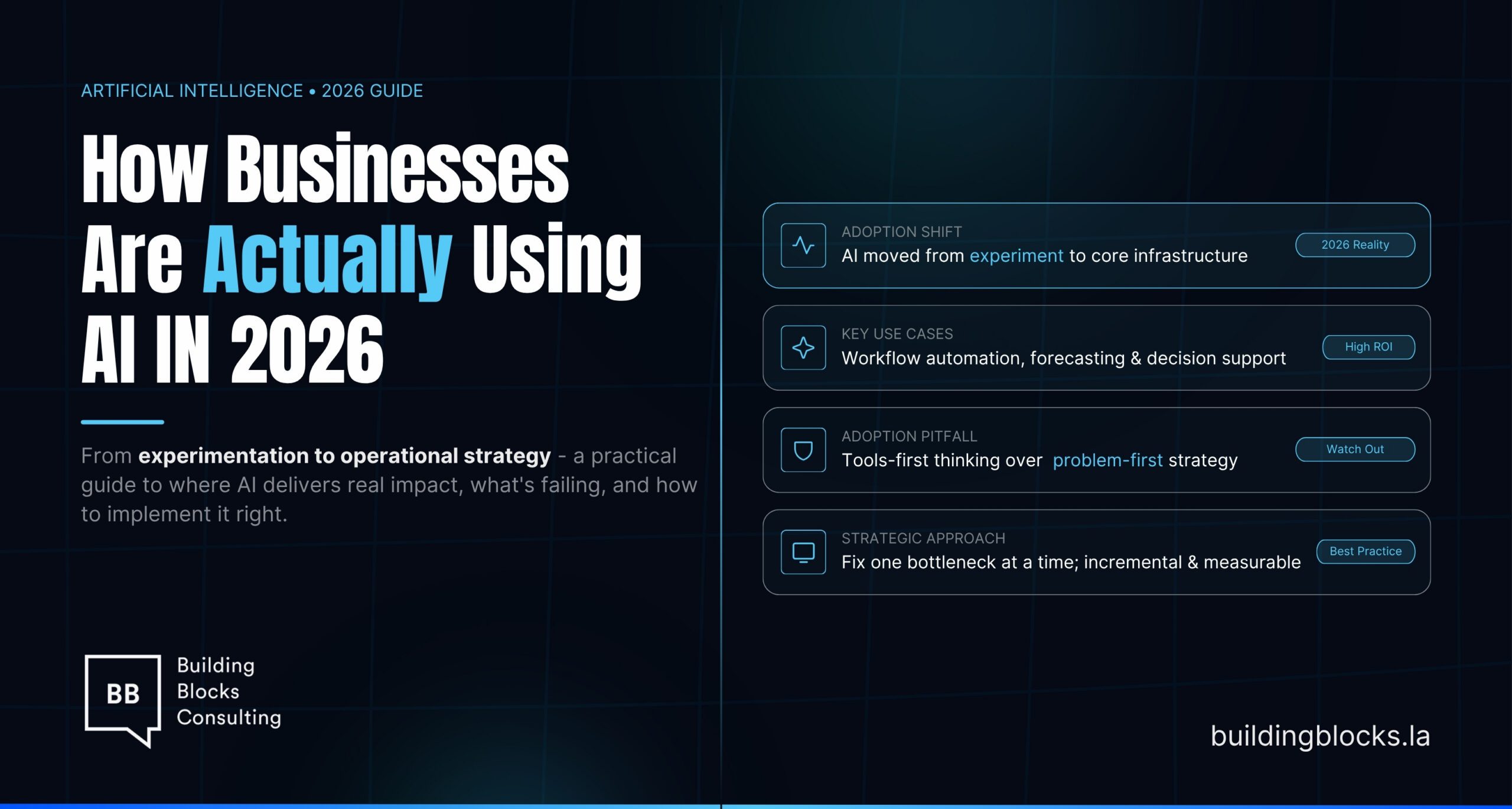
From a leadership perspective, OpenAI partners are not defined by access to models or platforms. They are defined by how they help organizations make decisions. Their role sits between strategic intent and operational reality. They help leadership teams decide where AI fits, where it does not, and how it should be governed once it is in place.
What matters most here is judgment. OpenAI partners help companies slow down when needed, ask better questions, and avoid building systems that work technically but fail operationally. For executives, that guidance is often more valuable than the implementation itself.
When OpenAI Consulting Partners Become Relevant for Growing Companies
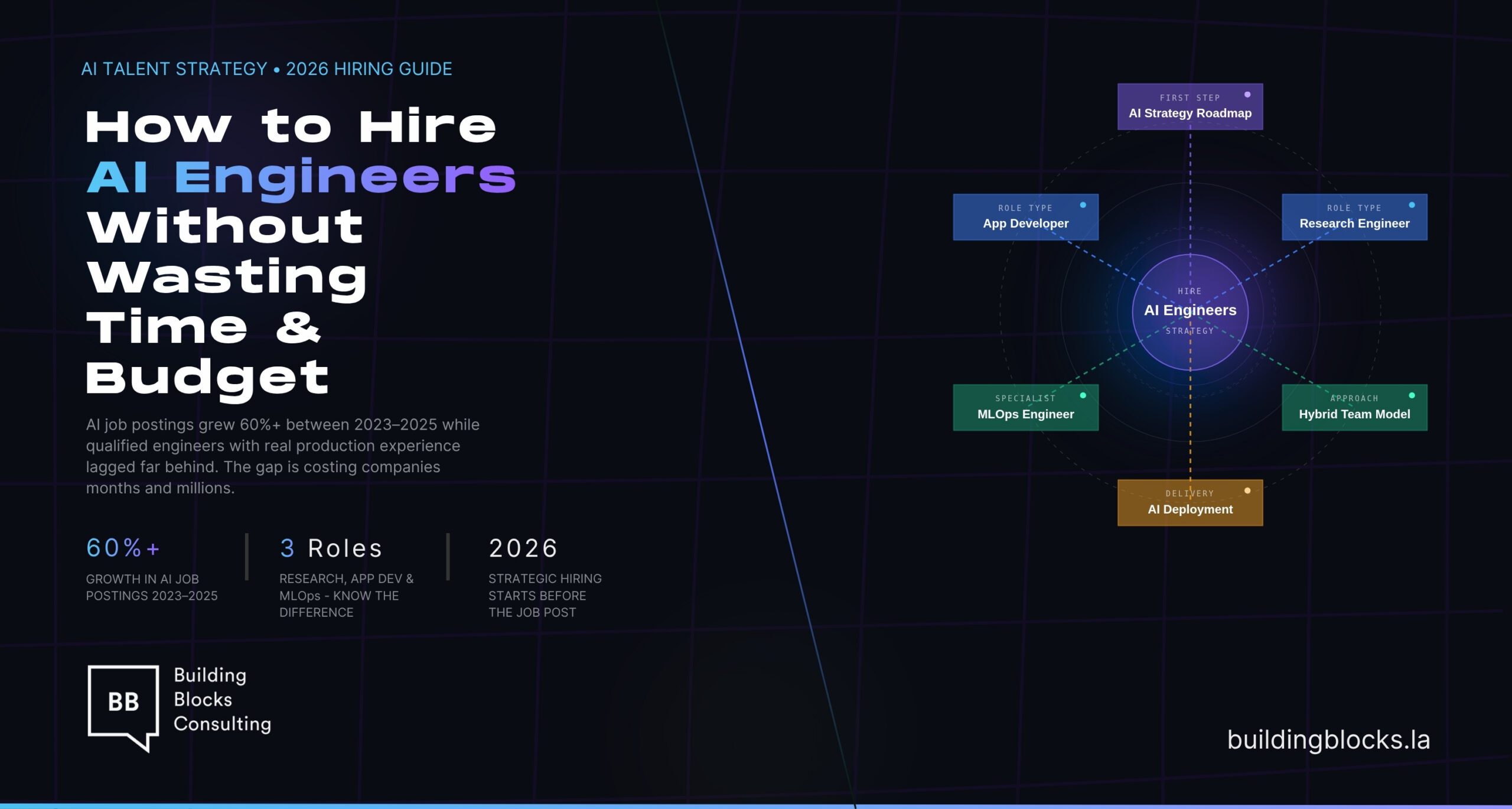
Most companies don’t need OpenAI consulting partners at the earliest stages of experimentation. Small pilots and internal tests are often manageable. The need becomes real when AI starts touching sensitive data, internal knowledge, or customer-facing decisions. That is when leadership accountability becomes unavoidable.
This moment is usually triggered when:
- Different teams adopt AI in different ways
- Leaders are asked to approve initiatives they don’t fully understand
- Questions arise about oversight, compliance, or risk
- Pilot projects stall because no one owns the bigger picture
As organizations scale, these issues compound. OpenAI consulting partners help leaders move from scattered experimentation to deliberate execution.
Where Companies Commonly Go Wrong With OpenAI Partners
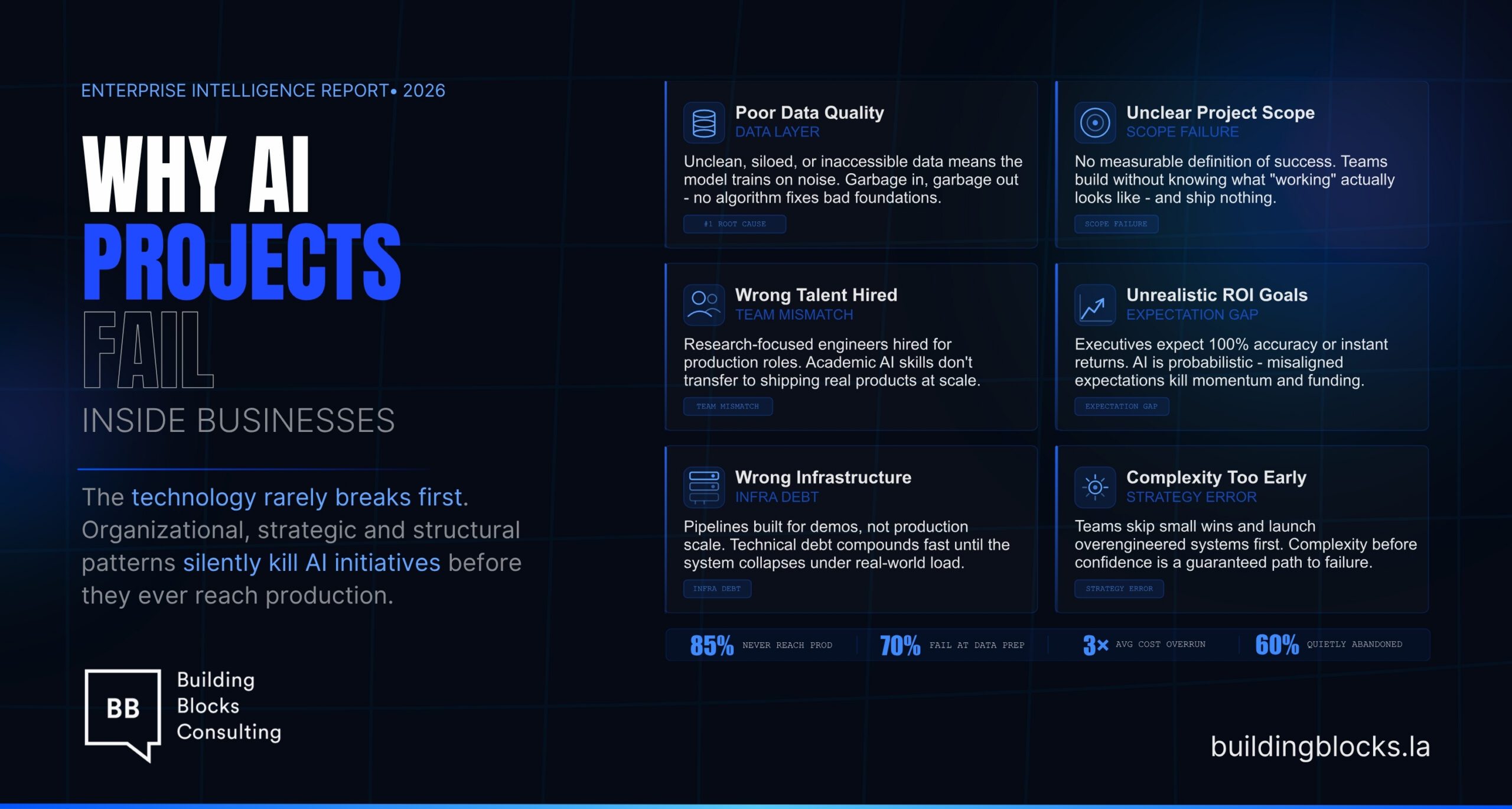
A frequent mistake is assuming OpenAI partners are there to “build fast.” When speed becomes the priority, alignment often suffers. Solutions may be delivered, but they don’t always fit the organization’s culture, governance, or risk tolerance.
Companies also tend to underestimate how much clarity is needed upfront. Without it, AI initiatives can drift, ownership becomes unclear, and teams lose confidence in the outputs.
Common missteps include:
- Treating AI as a standalone initiative
- Failing to define decision boundaries
- Expecting adoption without change management
- Assuming trust will come automatically
Experienced OpenAI partners help prevent these issues by grounding decisions in how the business actually operates.
How Experienced OpenAI Consulting Partners Bring Structure
Strong OpenAI consulting partners act as advisors first. They help leadership teams define what success looks like before anything is built. This includes deciding who owns outcomes, how risks are reviewed, and how AI-supported decisions are validated.
Organizations that work with firms like BuildingBlocks Consulting often find that this early structure makes the difference between an initiative that stalls and one that becomes part of daily operations. The emphasis is not on features, but on clarity and responsibility.
What Changes Once the Right OpenAI Partners Are Involved
When OpenAI partners are engaged thoughtfully, the change is less dramatic than many expect. There is no sudden transformation. Instead, uncertainty reduces. Decisions become easier to explain. Teams stop working around each other.

The real shift is confidence. Leaders feel more in control, even as capabilities expand.
Risk Reduction as a Core Responsibility of OpenAI Partners
Risk is often the quiet driver behind interest in OpenAI partners. Leaders are rarely worried about what AI can do in theory. They worry about what happens when outputs are misunderstood, overused, or taken out of context.
OpenAI partners help reduce this risk by setting boundaries. They clarify when AI informs a decision and when humans must intervene. They help define review processes so responsibility never becomes ambiguous.
Many organizations bring in experienced advisors, such as BuildingBlocks Consulting, at this stage to ensure that AI adoption strengthens governance rather than weakening it.
Execution Challenges That US Companies Commonly Face
Even with clear intent, execution is where AI initiatives often struggle. Internal teams juggle competing priorities. Ownership becomes unclear. Momentum fades once early enthusiasm wears off.
Common execution challenges include:
- Coordination across departments
- Resistance from teams unsure how AI affects their roles
- Leadership uncertainty about when to step in
- Lack of continuity once pilots end
OpenAI partners help by providing consistency and follow-through, allowing internal teams to focus on adoption instead of constant course correction.
How Leaders Should Evaluate OpenAI Consulting Partners
Selecting OpenAI consulting partners is less about credentials and more about alignment. Leaders should pay attention to how a partner thinks, not just what they promise to deliver.
Useful evaluation questions include:
- Do they understand how decisions are made here?
- Can they explain risks clearly, without jargon?
- Will they challenge us when assumptions are weak?
- Are they focused on sustainable execution?
Partners who answer these questions well tend to deliver value that lasts beyond a single initiative.
Closing Reflections on OpenAI Partners for US Companies
For US companies, working with OpenAI partners is becoming a matter of responsibility rather than experimentation. As AI becomes embedded in core operations, leaders need clarity, governance, and confidence in how decisions are supported. OpenAI consulting partners play a crucial role in helping organizations move forward thoughtfully. When chosen carefully, they help ensure that AI strengthens decision-making instead of complicating it.



By Chris Clifford
Chris Clifford was born and raised in San Diego, CA and studied at Loyola Marymount University with a major in Entrepreneurship, International Business and Business Law. Chris founded his first venture-backed technology startup over a decade ago and has gone on to co-found, advise and angel invest in a number of venture-backed software businesses. Chris is the CSO of Building Blocks where he works with clients across various sectors to develop and refine digital and technology strategy.