



How can we help?
Let's Talk
How can we help?
Let's Talk
The Moment Expectations Begin to Form
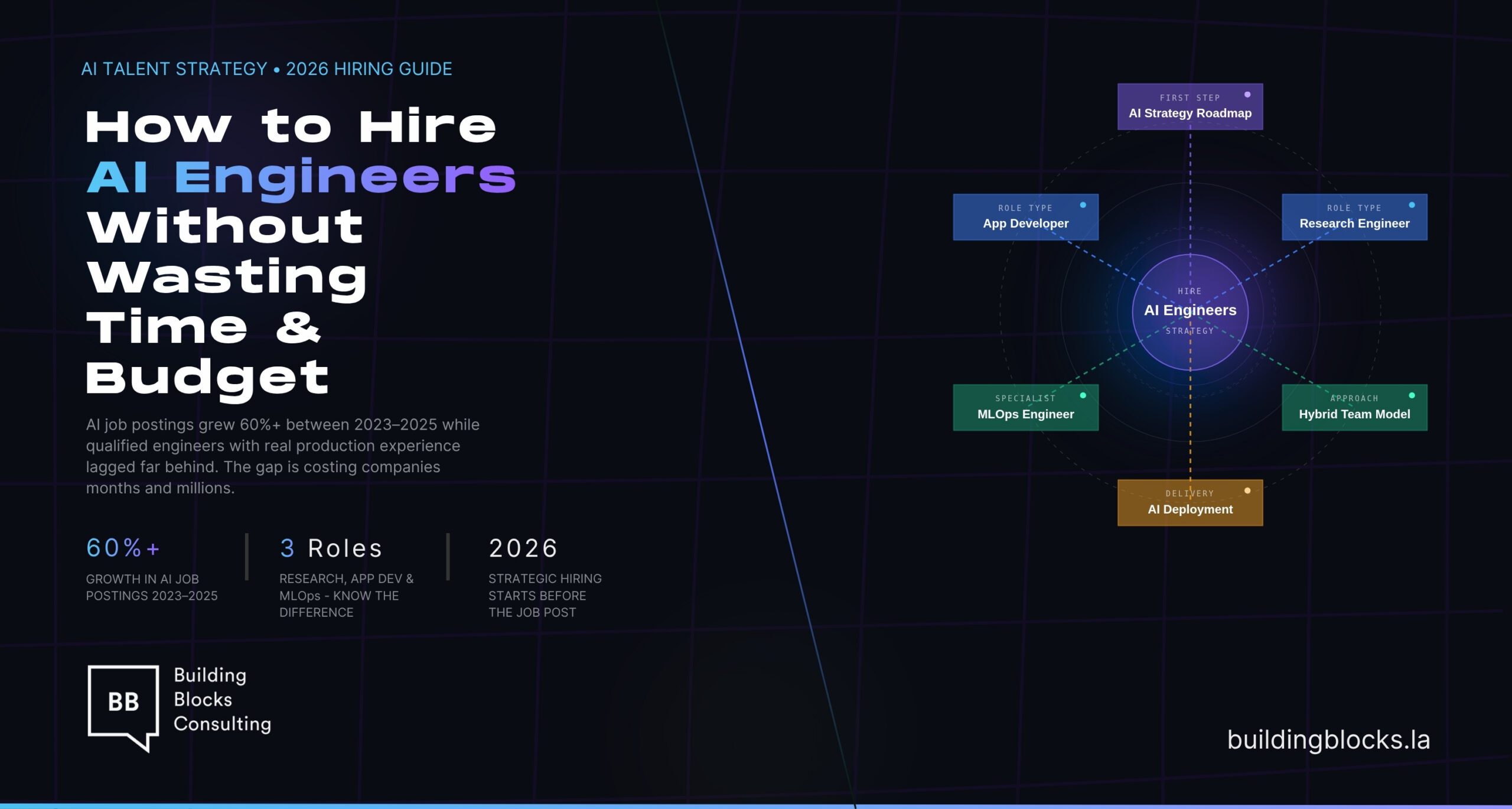
The decision to hire AI developers often signals that the company is stepping into its next stage of growth. Leadership has identified inefficiencies, missed insights, or competitive pressure that can no longer be ignored. Teams are stretched. Data exists but is underused. There is a belief that intelligence can unlock better forecasting, smarter automation, or more confident decision-making. So the company moves forward and brings in AI developers for hire, expecting visible traction soon after. What many business leaders experience instead is a quieter phase than anticipated. Progress does not immediately appear in dashboards or customer-facing features. The early weeks are filled with internal discussions, reviews of data sources, and clarification of business priorities. This can create doubt if expectations are not managed properly. Yet this period is not a stall. It is the stage where ambition is translated into structure, and structure determines whether the investment produces lasting results or short-term activity.
When It Makes Sense to Hire AI Developers
Companies rarely reach the point of hiring AI developers by accident. The decision usually emerges from sustained operational pressure. Reporting cycles become longer. Forecasts feel reactive instead of predictive. Customer behavior becomes harder to interpret. Product teams sense that smarter systems could improve retention or personalization, but internal capabilities are limited. At this point, hiring AI developers becomes less about experimentation and more about strengthening the company’s core decision infrastructure. Leadership recognizes that intelligence is no longer optional if growth is to continue responsibly. However, the mistake many organizations make is assuming that the hiring decision alone creates momentum. In reality, the decision simply opens the door to a more disciplined phase of execution. The organization must now define exactly what problem it intends to solve, what success means in practical terms, and how AI will fit within existing workflows. Without that clarity, even strong talent can struggle to create a visible impact.
What Actually Happens After You Hire AI Developers
When companies hire AI developers, they often expect immediate technical development. Instead, the first phase centers on discovery and alignment. Experienced AI developers for hire begin by asking structured questions about business objectives, operational constraints, and data quality. They seek to understand not only what leadership wants but why it matters and how outcomes will be measured. This process can reveal inconsistencies across departments. One team may prioritize cost reduction, while another focuses on customer experience. Leadership may think in terms of competitive advantage, while operational managers are concerned with workflow efficiency. Unless these perspectives are aligned, execution becomes fragmented. At the same time, data typically requires deeper examination than anticipated. Information may be stored across systems, inconsistently labeled, or lacking clear ownership. Before building intelligence, order must be introduced. This stage is less visible than model development, but it is where long-term success is determined. Organizations that rush through discovery often return to it later under pressure, usually after resources have already been spent without clear direction.
Expectation vs Reality When You Hire AI Developers
The gap between expectation and reality is one of the most common sources of tension during early AI initiatives. Leadership expects acceleration, while the process initially emphasizes clarification. Understanding this contrast reduces frustration and improves oversight.

This comparison reflects normal progression, not underperformance. Responsible implementation requires sequence. When companies accept this, they make better decisions about pacing and communication.
Common Mistakes After Hiring AI Developers
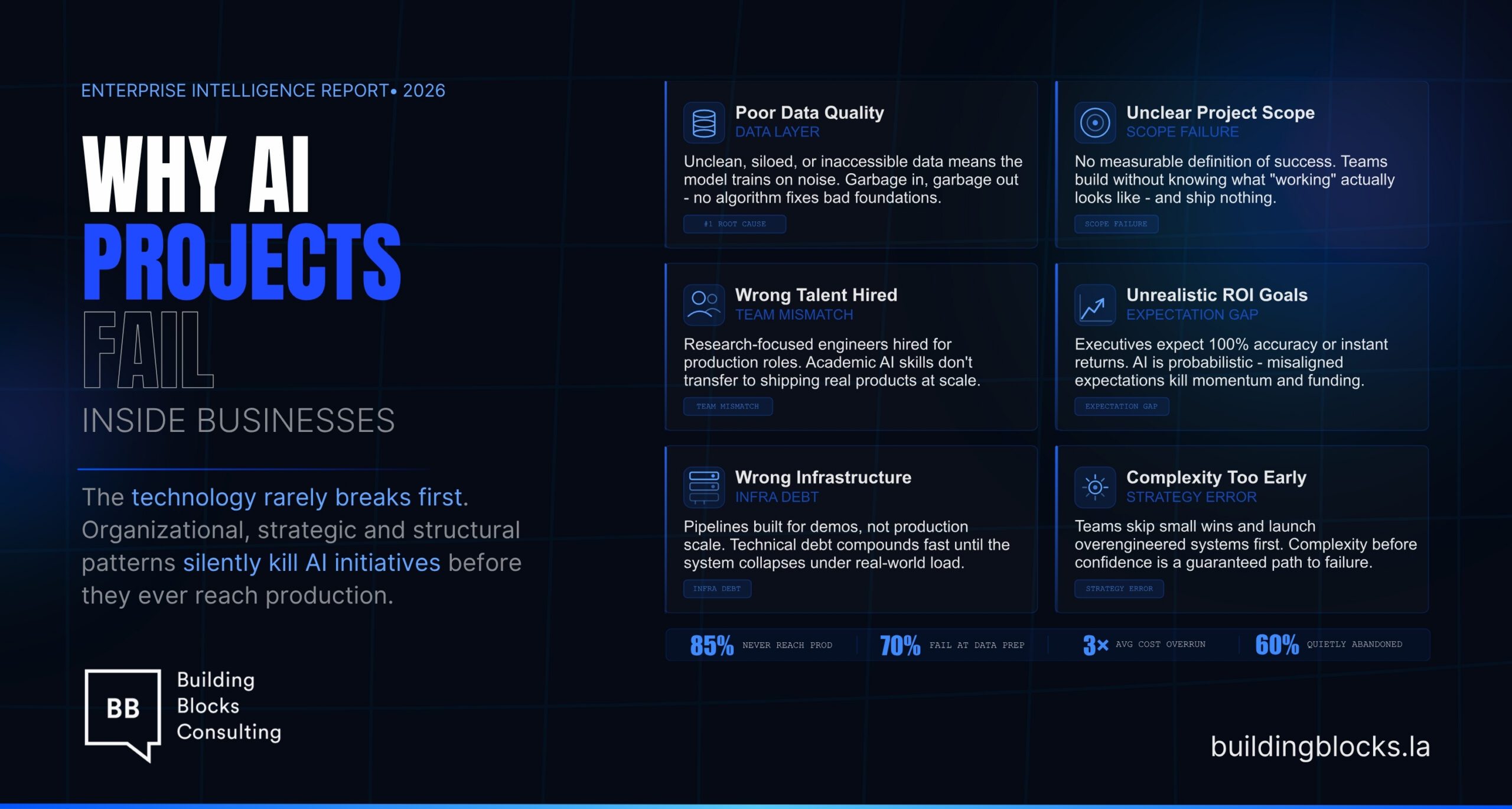
The challenges that arise after organizations hire AI developers are rarely about technical competence. More often, they stem from leadership dynamics and unclear priorities. One common mistake is expanding the scope too quickly. Once AI developers for hire begin exploring possibilities, new use cases surface. Without firm boundaries, initiatives become scattered. Focus weakens, and measurable outcomes are delayed. Another issue is unclear accountability. AI initiatives frequently sit between departments, and without a single decision owner, direction shifts frequently. Developers spend time revisiting priorities rather than advancing execution. Communication also plays a significant role. If leadership communicates rapid transformation internally, teams may expect visible breakthroughs almost immediately. When the early phase concentrates on alignment and infrastructure, confidence can drop unnecessarily. To avoid these patterns, organizations must maintain disciplined scope, assign clear ownership, and communicate that foundational work is intentional rather than slow. These actions protect momentum and prevent early-stage doubt from undermining long-term progress.
Where AI Developers for Hire Add Early Strategic Value
The greatest early contribution of AI developers for hire is not technical output but structured thinking. They introduce clarity where ambiguity previously existed. They translate broad strategic ambitions into specific, testable initiatives. They identify gaps in data governance and operational readiness that might otherwise remain hidden. An experienced consulting partner such as Building Blocks Consulting often plays a stabilizing role during this stage, helping leadership prioritize initiatives based on business impact rather than internal enthusiasm. By guiding conversations around measurable outcomes, phased implementation, and realistic sequencing, they reduce the risk of overextension. Early engagement with partners like Building Blocks Consulting typically leads to stronger alignment between executives and operational teams, ensuring that development efforts are tied directly to business value rather than experimentation alone. This form of disciplined preparation may not produce immediate headlines within the company, but it creates the structure necessary for sustainable advancement.
Why Results Take Time After You Hire AI Developers
Leaders who hire AI developers sometimes compare the process to adding software engineers to accelerate feature development. AI, however, interacts directly with decision-making and operational systems, which makes its integration more sensitive. A model may function technically yet fail to deliver value if it does not align with how teams make decisions. Trust must be built gradually. Stakeholders need to understand outputs, validate consistency, and adapt workflows accordingly. Integration into existing systems also requires careful coordination. Reporting processes may need modification. Performance metrics may shift. Teams may require guidance on how to interpret AI-driven recommendations. These adjustments take time because they affect daily operations, not just technical infrastructure. Recognizing this dynamic allows leaders to approach the early months with patience and oversight rather than pressure. The timeline reflects responsible adaptation, not inefficiency.
Turning Early Execution Into Long-Term Advantage
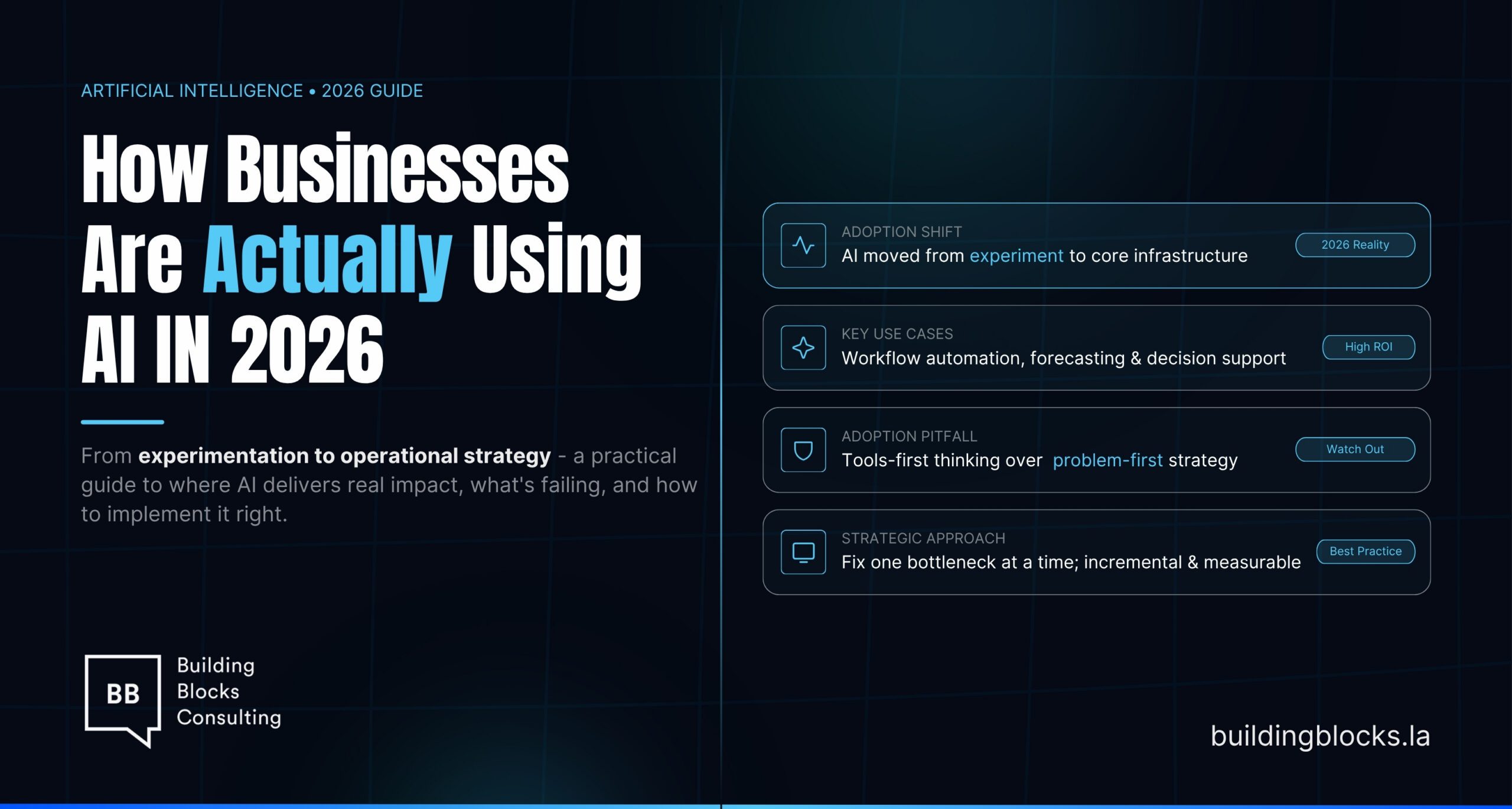
The period after you hire AI developers should be viewed as operational design rather than a delay. During this phase, leadership has the opportunity to clarify objectives, align incentives, and ensure that intelligence initiatives serve clearly defined business needs. Instead of focusing exclusively on visible deployment, leaders can evaluate whether the initiative has strong decision ownership, a realistic scope, and a roadmap that sequences complexity thoughtfully. Organizations that treat this stage seriously reduce downstream friction. By the time development accelerates and outputs become visible, the surrounding structure supports adoption rather than resistance. AI introduces new patterns of decision-making, and those patterns must be integrated carefully into existing culture and workflow. Companies that rush risk building technically sound systems that lack organizational traction. Companies that prepare deliberately create durable momentum that extends beyond the first release.
Conclusion: The Quiet Work Before Results Appear
When you hire AI developers, immediate transformation should not be the expectation. The early months are designed to convert ambition into disciplined execution. This period tests clarity, alignment, and leadership focus more than technical capability. Organizations that struggle often misinterpret foundational work as stagnation, while those that succeed recognize it as preparation. AI developers for hire begin by building understanding, structure, and accountability before scaling intelligence across the business. For decision-makers, the key is steady engagement rather than impatience. In many cases, working with an experienced advisory partner such as BuildingBlocks Consulting can help maintain that structure and executive alignment during the early phase. By supporting careful sequencing and maintaining realistic expectations, leadership ensures that results, when they appear, are sustainable and strategically meaningful. The quiet phase is not empty time. It is where long-term value is shaped.



By Chris Clifford
Chris Clifford was born and raised in San Diego, CA and studied at Loyola Marymount University with a major in Entrepreneurship, International Business and Business Law. Chris founded his first venture-backed technology startup over a decade ago and has gone on to co-found, advise and angel invest in a number of venture-backed software businesses. Chris is the CSO of Building Blocks where he works with clients across various sectors to develop and refine digital and technology strategy.