


How can we help?
Let's Talk
How can we help?
Let's Talk
A practical view on hiring models, risks, and timelines
As 2026 planning discussions begin, many US companies are reassessing how they hire AI engineers.
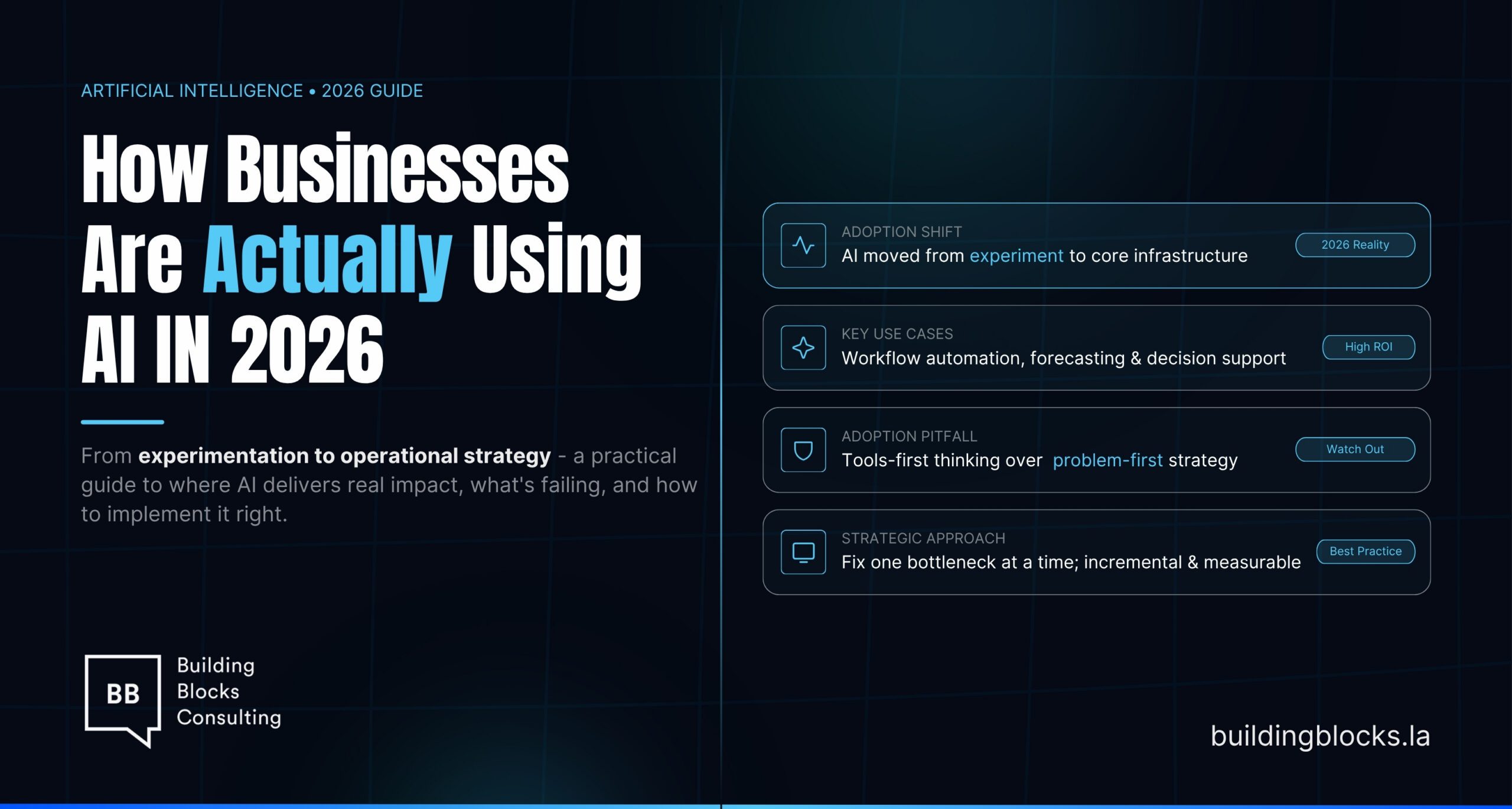
Most organizations already have some level of AI adoption in internal tools, early automation, or experimental use cases. The challenge now isn’t whether to use AI, but how to build AI capability that actually holds up under day-to-day operations.
This is why decisions around hiring AI engineers and choosing the right AI developers for hire matter more than ever.
2026 Is About Making AI Sustainable
A few years ago, speed was the priority. In 2026, sustainability is.
Leaders are realizing that rushing to hire AI developers without clarity often leads to fragile systems, rising costs, and unclear ownership. What looks like progress in the first few months can quietly become a bottleneck later.
The real goal now is building AI systems that don’t require constant intervention.
The Main Ways Companies Hire AI Engineers Today
Most US companies ultimately choose one of three paths, sometimes by design, often by default.
Common AI Hiring Models

Each model can work. Problems arise when leaders expect one model to solve every phase of AI growth.
When Each Hiring Model Makes Sense in 2026
Choosing the Right Fit Based on Reality

The most common mistake is committing to permanent hiring before the direction is clear.
The Risk Most Leaders Don’t Notice Early
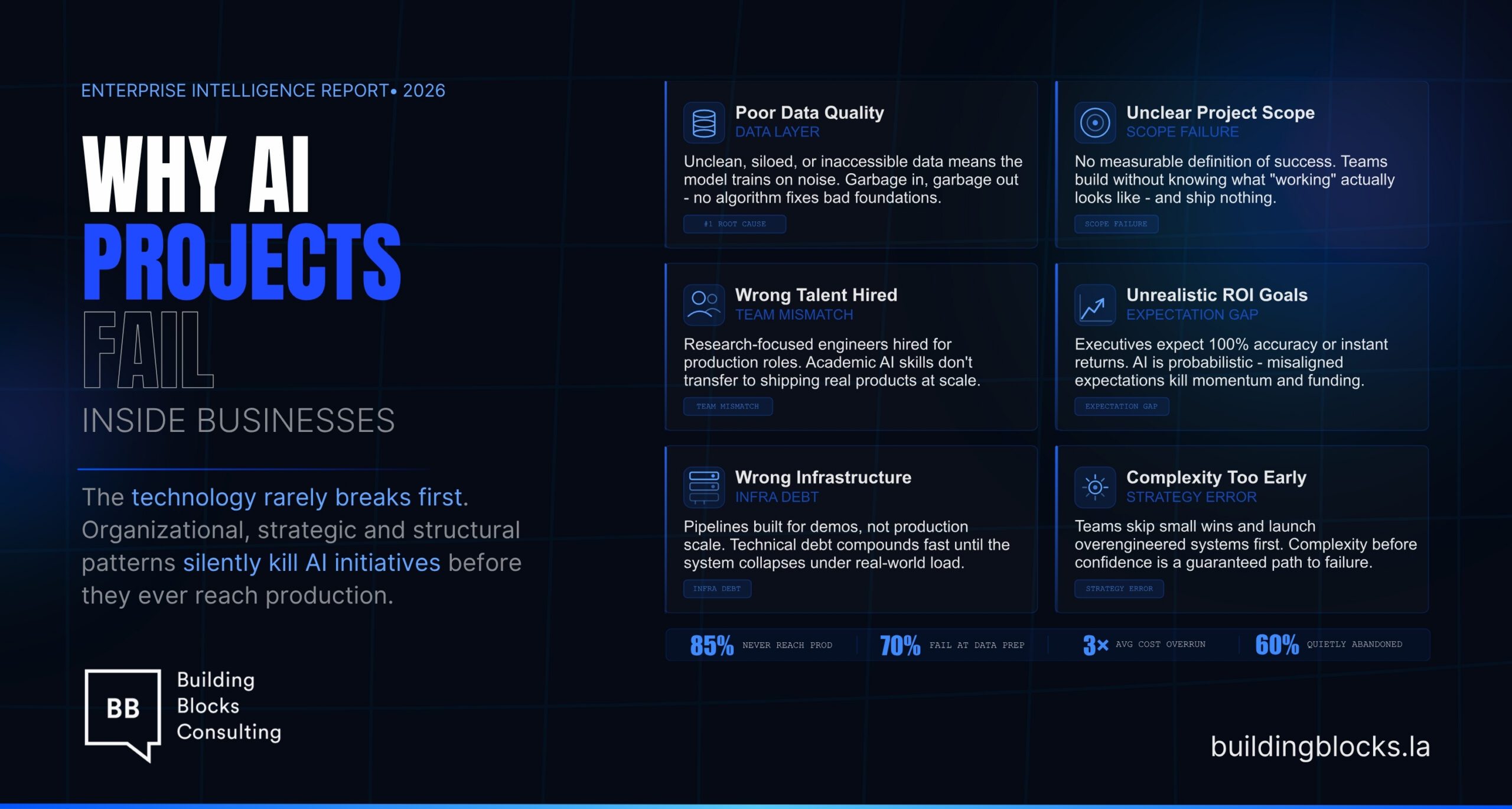
Many teams hire AI engineers before the surrounding systems are ready.
This usually means:
- Data pipelines are incomplete
- Success metrics aren’t defined
- Ownership across teams is unclear
When that happens, even strong AI developers stall. Not because of skill gaps—but because the environment doesn’t support progress.
By the time leadership steps in, momentum is already lost.
What Hiring Timelines Really Look Like
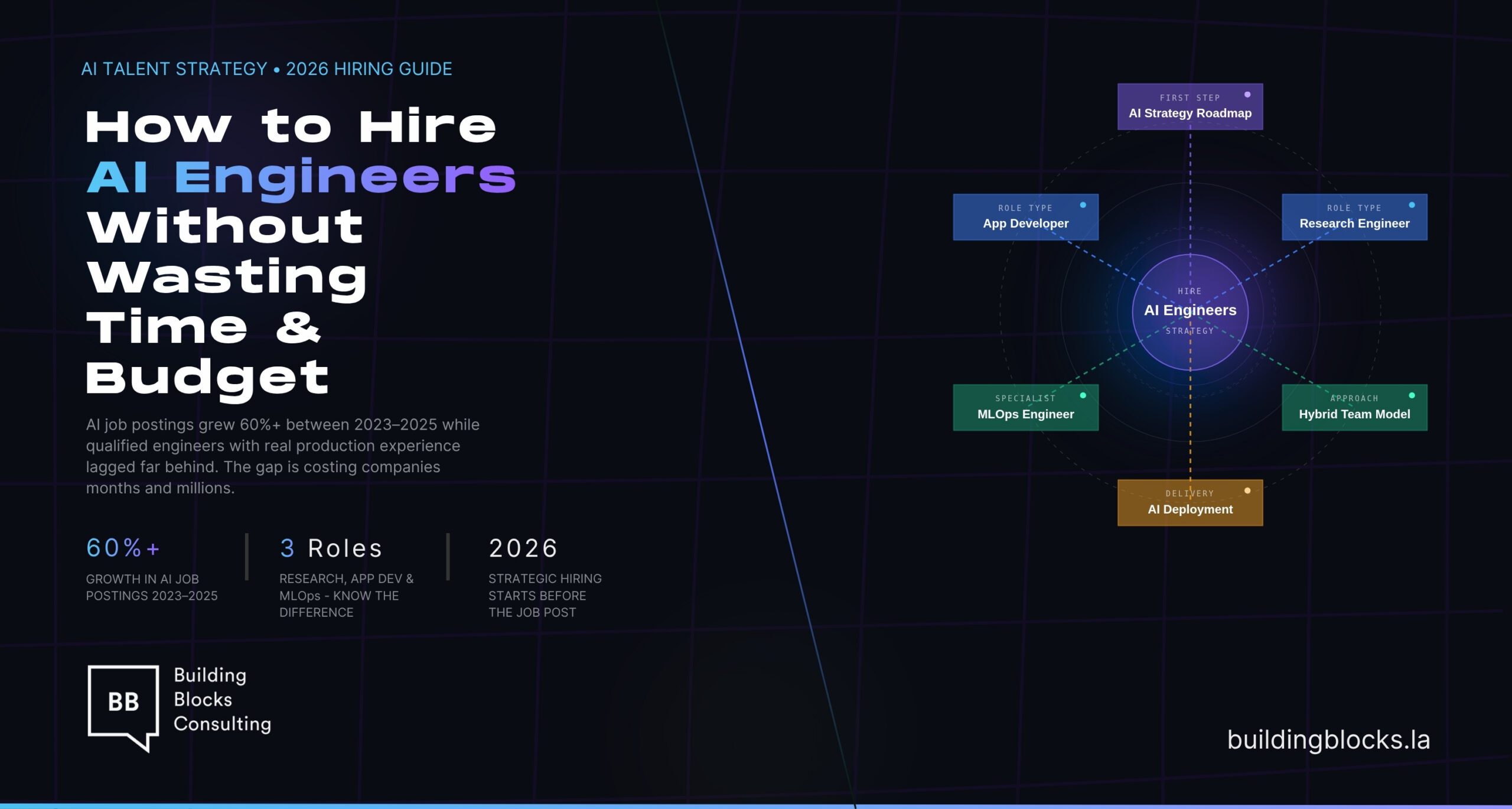
There’s often a gap between expectation and reality when companies hire AI developers.
A More Accurate Timeline

This is why many organizations in 2026 prefer AI developers for hire over immediate full-time hiring they reduce early pressure while keeping progress moving.
What Actually Matters When You Hire AI Developers
In 2026, strong AI engineers are defined less by tools and more by judgment.
Practical Signals to Look For

The best AI developers are often the ones who explain risks clearly, not the ones who promise speed.
A Better Question to Ask in 2026
Ownership Planning View

This framing helps leadership teams hire AI engineers without overcommitting too early.
Closing Thought
In 2026, success with AI isn’t about hiring the largest team. It’s about making fewer irreversible decisions too soon.
Whether you hire AI engineers internally, work with AI developers for hire, or start with a freelance AI developer, the structure you choose matters more than speed. Companies that treat AI hiring as an evolving decision, not a one time event, will build systems that last.



By Chris Clifford
Chris Clifford was born and raised in San Diego, CA and studied at Loyola Marymount University with a major in Entrepreneurship, International Business and Business Law. Chris founded his first venture-backed technology startup over a decade ago and has gone on to co-found, advise and angel invest in a number of venture-backed software businesses. Chris is the CSO of Building Blocks where he works with clients across various sectors to develop and refine digital and technology strategy.