



How can we help?
Let's Talk
How can we help?
Let's Talk
The Ownership Problem That Appears After the Hire
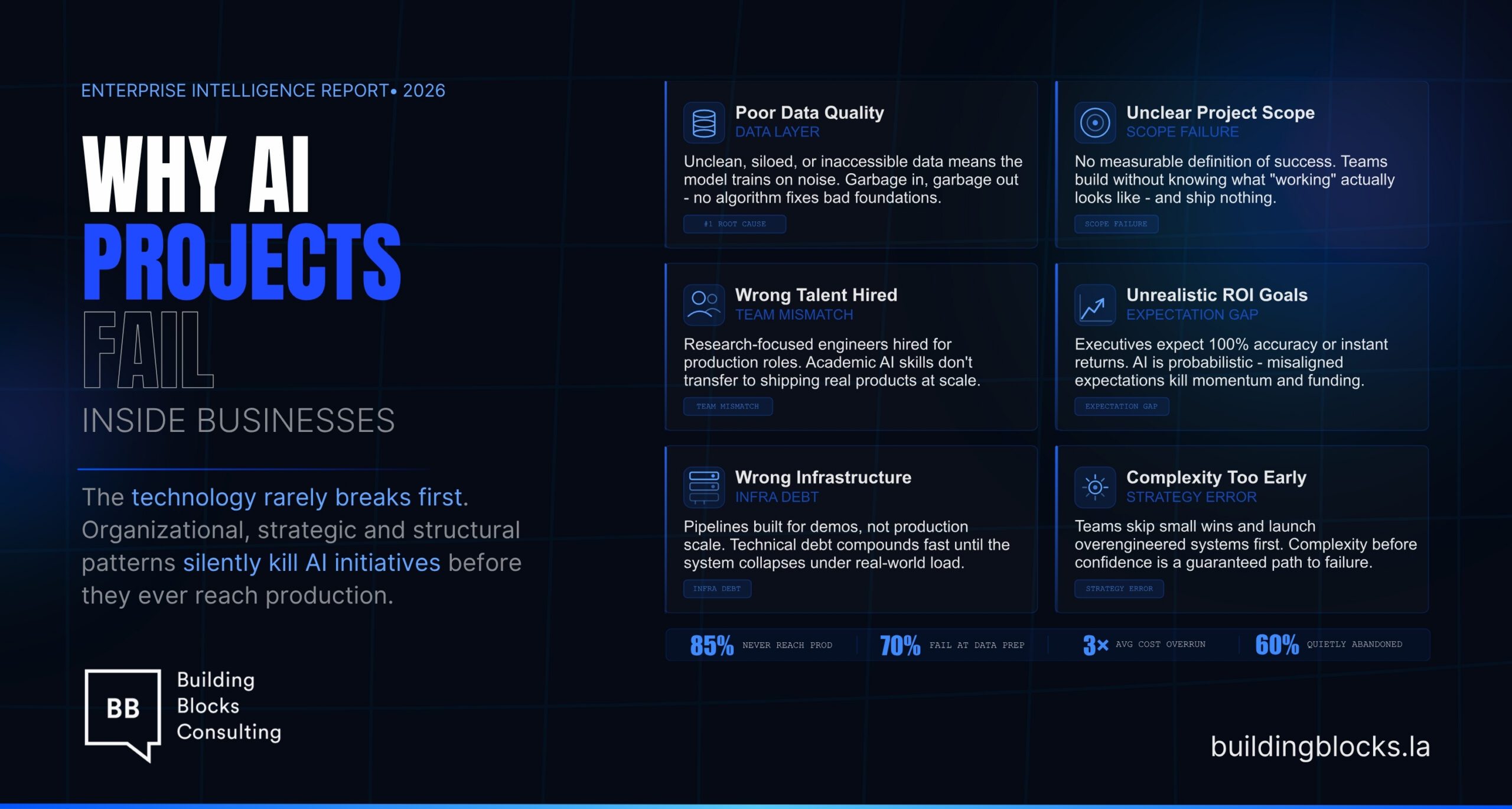
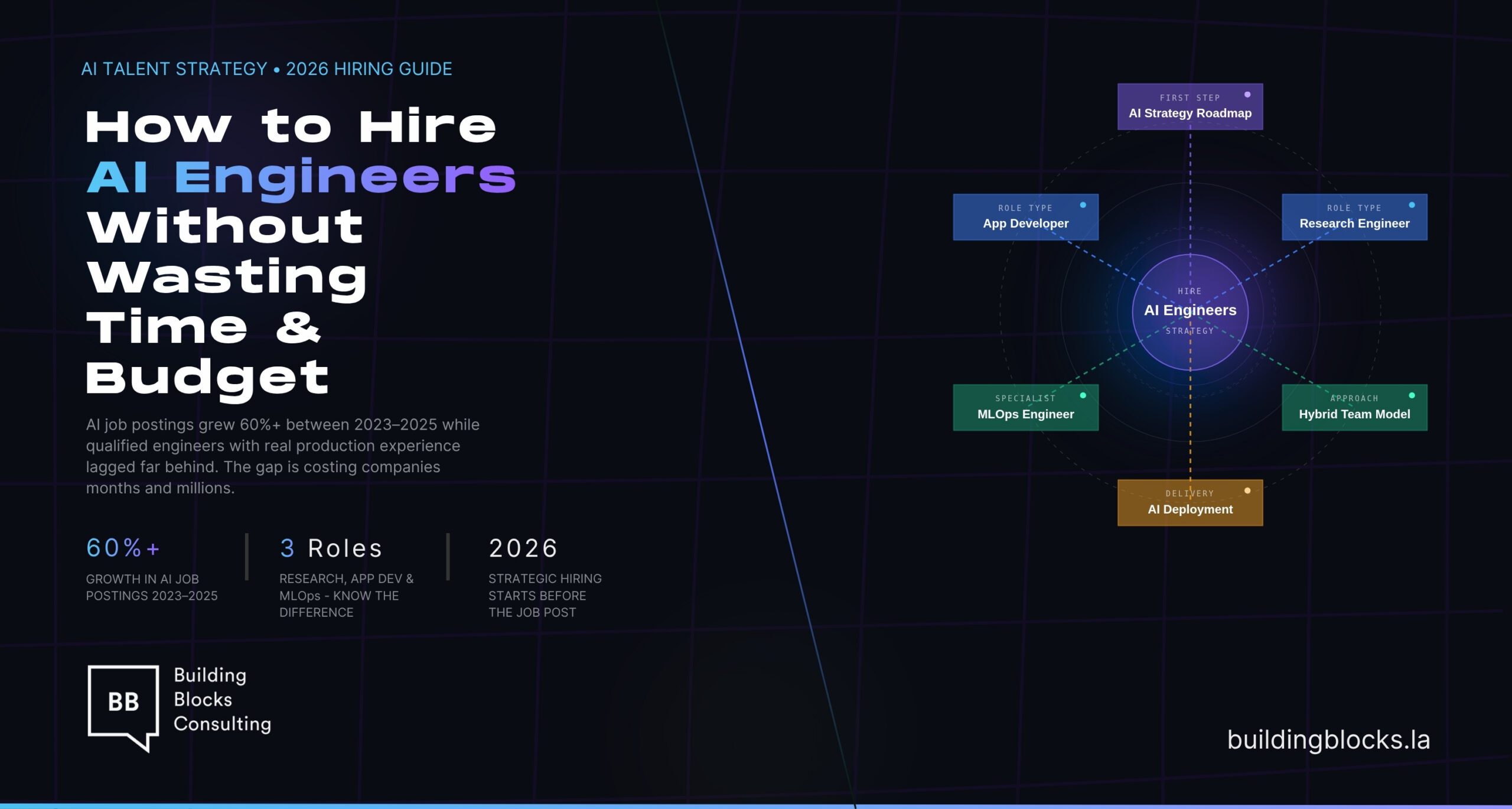
When leaders decide to hire AI engineers, the decision is usually framed as progress. Teams expect faster insights, smarter systems, and a sense that the business is finally moving with the times. But in many growing companies, that optimism fades quickly. Engineers start building in isolation, priorities shift weekly, and leadership feels disconnected from the outcomes. The issue is rarely talent. It is ownership. Without clear business ownership, even strong AI engineers struggle to deliver work that actually matters to the organization.
When Hiring AI Engineers Becomes a Leadership Issue
The moment a company hires its first AI engineers, the topic stops being technical and becomes managerial. Someone must decide what problems deserve attention, how success is defined, and what trade-offs are acceptable. When these decisions are left vague, engineers are forced to guess.
This is where many leaders underestimate their role. Hiring feels like delegation, but ownership cannot be delegated away. Without a clear business owner, AI initiatives drift. Teams work hard, but progress feels disconnected from strategy. Over time, frustration builds on both sides.
Why Ownership Gaps Appear After You Hire AI Engineers
Ownership gaps rarely come from neglect. They usually emerge from growth. As companies scale, responsibilities become distributed, and accountability becomes less obvious. AI work often falls between departments, with no single leader fully accountable for outcomes.
Common patterns include executives sponsoring the hire but stepping back too early, managers assuming engineers will self-direct, or teams waiting for clarity that never arrives. In these situations, engineers deliver outputs, but the business struggles to turn them into decisions or action.
The Hidden Costs of Unclear Leadership Responsibility
When ownership is unclear, risk quietly increases. Projects expand in scope without review. Assumptions go unchallenged. Decisions are delayed because no one feels authorized to make them. Over time, leadership confidence in AI work erodes.
This is also when engineers feel exposed. They are asked to explain business impact without being given authority or context. Attrition risk rises, not because engineers lack skill, but because they lack direction.
Where Companies Struggle Most After They Hire AI Engineers
The most common struggle is alignment. Leaders want results but have not defined priorities. Engineers want clarity but receive mixed signals. Meetings focus on activity rather than outcomes.
Another struggle is decision ownership. When trade-offs arise, no one wants to be the final decision-maker. This creates cycles of rework and hesitation. At this stage, experienced partners like BuildingBlocks Consulting are often brought in to help leadership clarify roles, decision rights, and accountability without disrupting internal teams.
Without Clear Ownership vs With Business-Led Direction

How Experienced Partners Restore Clarity and Execution
Experienced partners do not replace leadership. They help leadership step back into the right role. This often starts by identifying a true business owner for AI initiatives, someone accountable for direction, not delivery.
From there, execution becomes simpler. Engineers receive a clearer context. Decisions move faster. Risks surface earlier. Firms such as BuildingBlocks Consulting support this transition by helping leaders translate intent into operating structure, ensuring AI work serves the business rather than distracting from it.
Making Ownership Explicit Before Problems Escalate
Clear ownership does not require complex frameworks. It requires agreement. Who decides priorities? Who approves trade-offs? Who is accountable when outcomes fall short? Once these questions are answered, engineers can focus on execution with confidence.
Leaders who address ownership early reduce friction and protect their investment. Those who delay often spend more time correcting course later, after trust and momentum have been lost.
Conclusion: Why Hiring AI Engineers Is Not Enough
When companies hire AI engineers without establishing clear business ownership, they set up both the team and themselves for frustration. Talent alone cannot compensate for unclear leadership responsibility. Sustainable progress comes when leaders stay involved, decisions are owned, and execution is guided by business intent. In that environment, AI engineers do not struggle to deliver value. They are finally able to do the work they were hired to do.



By Chris Clifford
Chris Clifford was born and raised in San Diego, CA and studied at Loyola Marymount University with a major in Entrepreneurship, International Business and Business Law. Chris founded his first venture-backed technology startup over a decade ago and has gone on to co-found, advise and angel invest in a number of venture-backed software businesses. Chris is the CSO of Building Blocks where he works with clients across various sectors to develop and refine digital and technology strategy.