

How can we help?
Let's Talk
How can we help?
Let's Talk
Every company adopting AI in 2026 faces the same question:
Should we build an in-house team or work with an AI automation agency?
On paper, the answer seems simple.
In-house means control. Agencies mean speed.
But in practice, the decision is far more nuanced.
Because AI is no longer just a technical layer. It’s an operational capability.
And how you build that capability determines whether your AI initiatives succeed or stall.
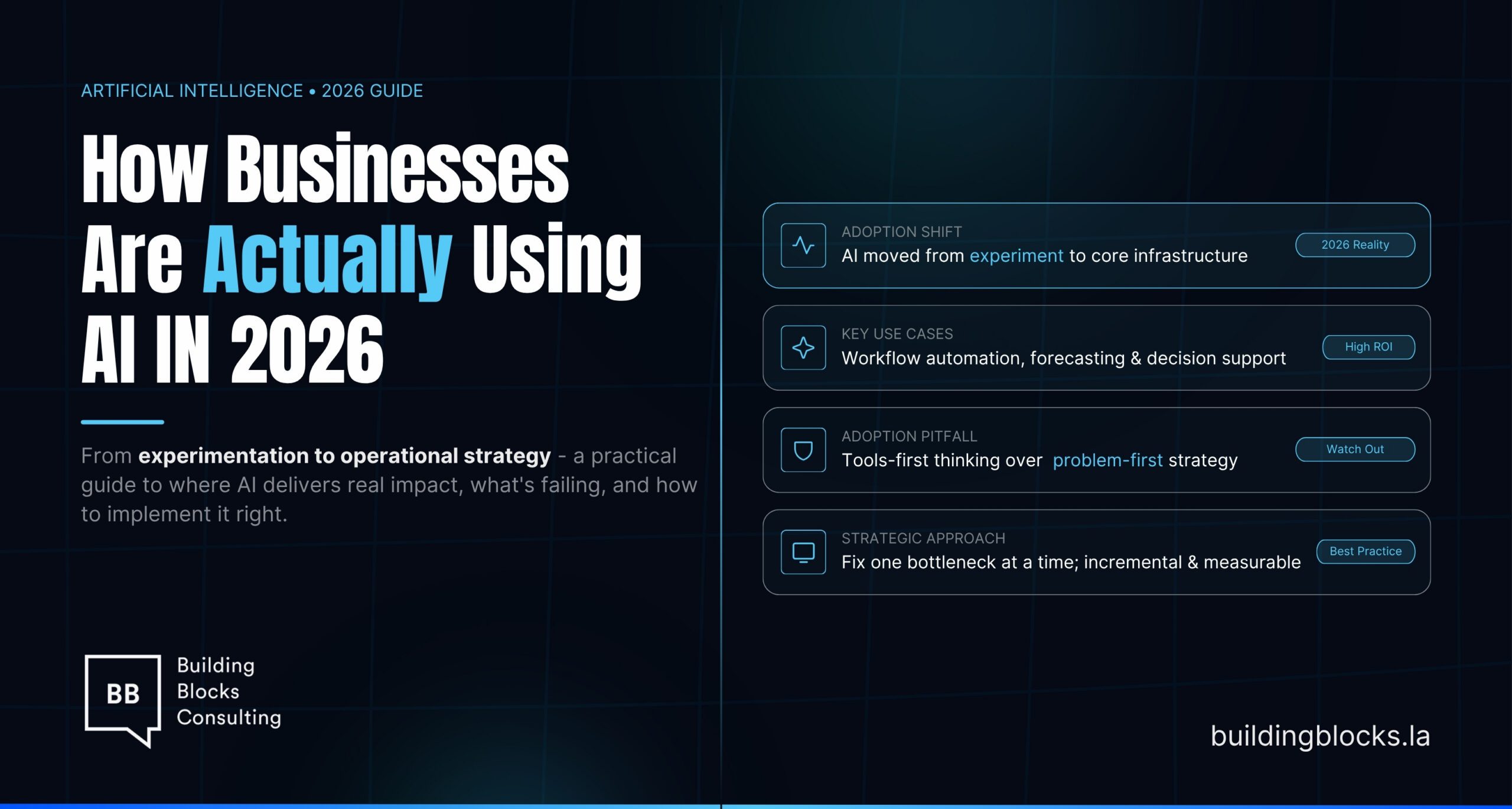
The Shift in 2026: From Experimentation to Execution
Over the past few years, companies have moved from experimenting with AI to trying to deploy it in real workflows.
That shift changes everything.
AI is no longer about prototypes or demos. It’s about integration, reliability, and outcomes.
In fact, many organizations discover that the real challenge isn’t building models – it’s aligning data, infrastructure, and workflows into a system that actually works in production.
This is where the agency vs in-house debate becomes critical.
What In-House Teams Do Well
Building an internal AI team offers clear advantages.
Full control over systems and data
In-house teams give you direct ownership of your models, infrastructure, and intellectual property. This is especially important when AI becomes deeply embedded in your core product.
Deep product understanding
Internal teams understand your workflows, customers, and edge cases better than anyone else.
This allows for highly tailored solutions, not generic implementations.
Long-term compounding value
AI systems improve over time.
The more data and feedback loops you own internally, the stronger your systems become.
Where In-House Breaks Down
Despite these advantages, most companies underestimate the cost of building AI internally.
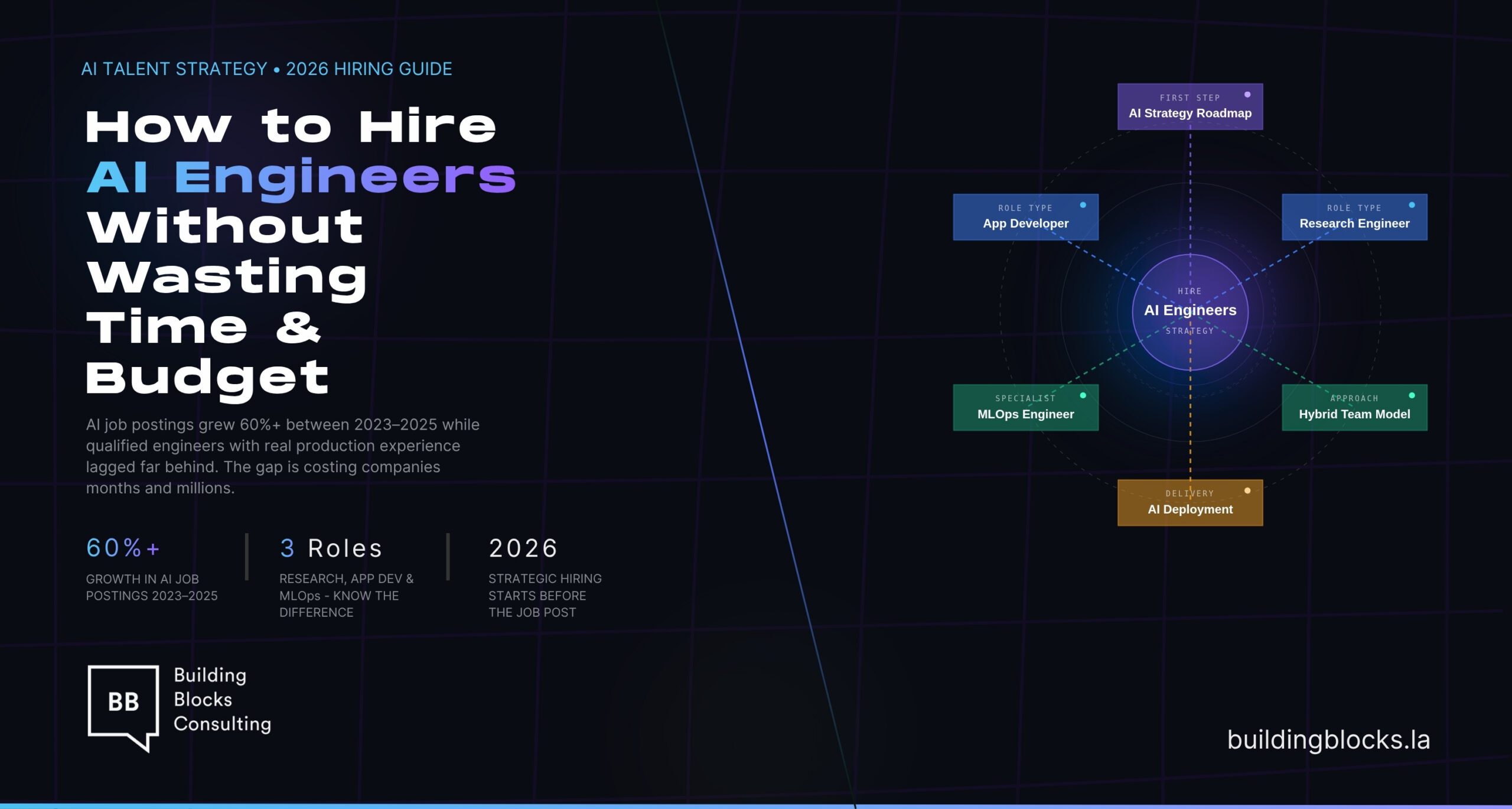
- Hiring experienced AI engineers is expensive and competitive
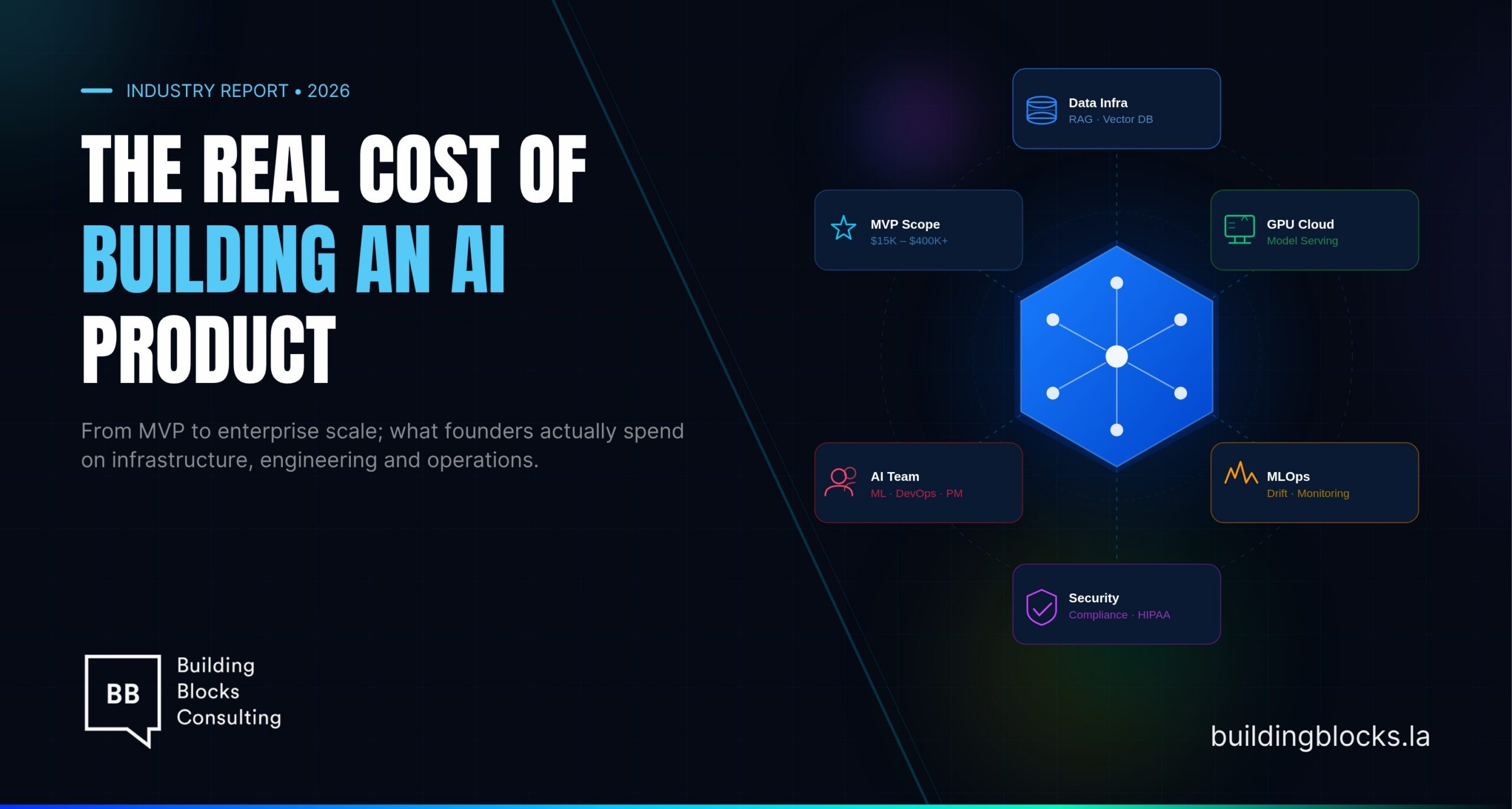
- Infrastructure (data pipelines, GPUs, MLOps) requires significant investment
- Teams often struggle to move from prototype to production
Even strong engineering teams can stall if the surrounding systems are not structured correctly.
In many cases, companies end up with:
A working demo – but no scalable system.
What AI Automation Agencies Do Better
AI automation agencies emerged to solve a specific problem: Speed + execution.
Faster time to market
Agencies bring pre-built expertise, frameworks, and workflows.
Instead of building from scratch, companies can move from idea to deployment significantly faster.
Access to specialized talent
AI requires multiple layers:
- Data engineering
- Model development
- Infrastructure
- Integration
Agencies already have these capabilities in place.
Reduced execution risk
Because agencies have worked across multiple projects, they understand common failure points and avoid them early.
Where Agencies Fall Short
Agencies are not a perfect solution.
- Less control over internal systems
- Limited long-term ownership
- Risk of misalignment if treated as vendors instead of partners
And most importantly:
Agencies can build systems, but they can’t replace internal thinking.
The Real Insight: This Is Not Either/Or
The biggest mistake companies make in 2026 is treating this as a binary decision. Because neither model works in isolation.
In-house only → slow, expensive, often stuck
Companies spend months hiring and setting up infrastructure before seeing results.
Agency only → fast start, weak long-term leverage
Systems get built, but internal capability doesn’t evolve.
What Actually Works in 2026
The companies seeing real success are not choosing one model.
They’re combining both.
The Hybrid Model
- Internal teams own strategy, data, and long-term systems
- Agencies accelerate execution, experimentation, and deployment
This approach balances:
- Control
- Speed
- Expertise
- Scalability
And it aligns with a broader shift in how AI is being deployed – not as isolated tools, but as integrated systems across the business.
Why This Matters More Than Ever
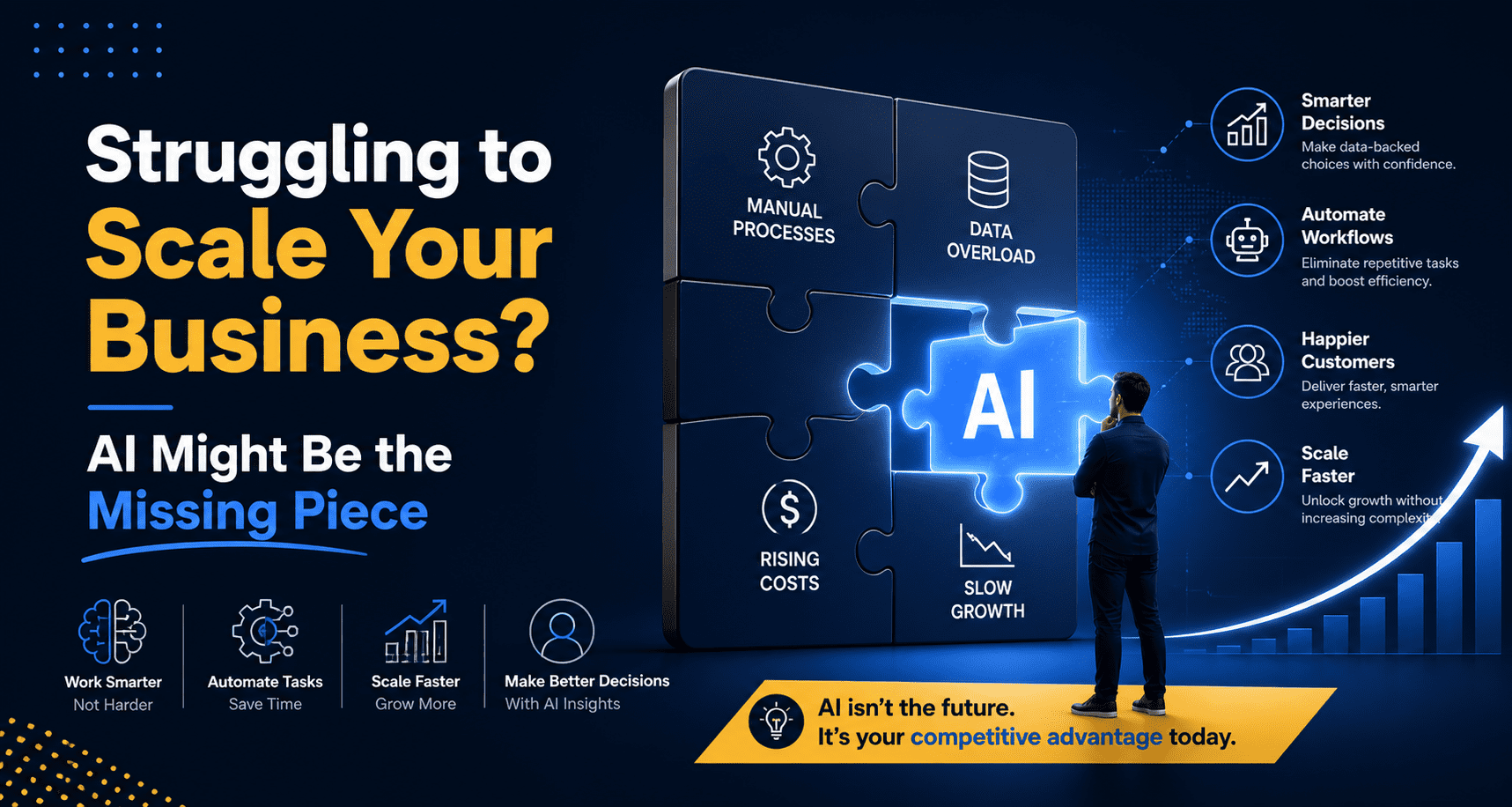
AI is becoming cheaper, faster, and more accessible.
But that doesn’t mean it’s easier to implement.
In fact, the opposite is true.
As AI moves deeper into business operations, success depends less on tools and more on:
- System design
- Data quality
- Workflow integration
- Decision-making
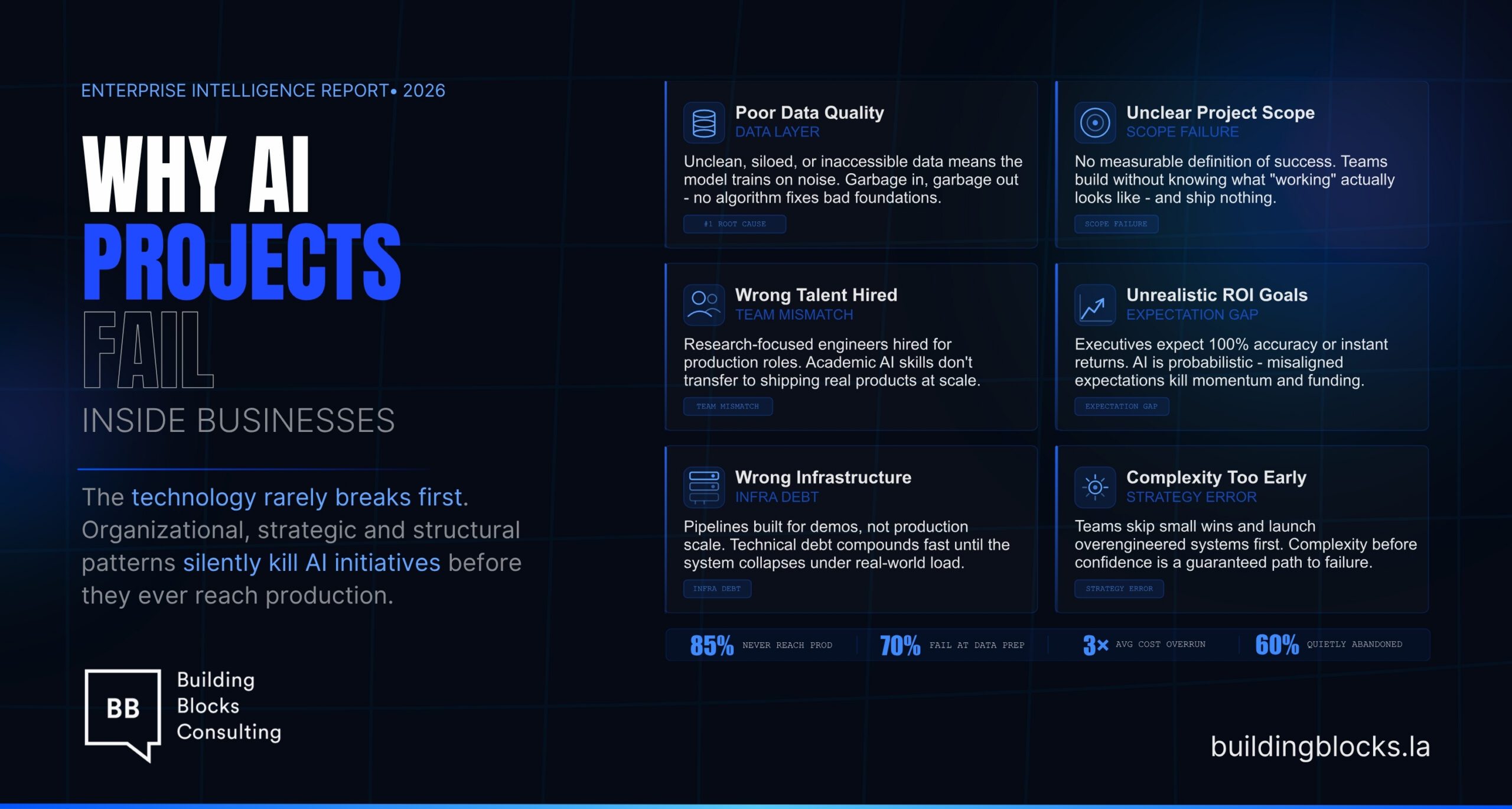
Even industry forecasts suggest that a large percentage of AI projects fail due to poor ROI and weak execution, not lack of technology.
The Cost of Choosing Wrong
Choosing the wrong model doesn’t just slow you down.
It compounds problems.
- In-house delays → missed opportunities
- Agency-only builds → lack of internal capability
- Poor integration → systems that don’t scale
And the biggest cost:
Time spent building things that don’t work.
A Better Way to Think About It
Instead of asking:
“Should we build in-house or hire an agency?”
Ask:
“Where do we need control, and where do we need speed?”
Because AI success is not about who builds it. It’s about how well it fits into your business.
The Bottom Line
AI in 2026 is no longer experimental. It’s operational.
And operational systems require both:
- Ownership
- Execution
In-house teams give you depth. Agencies give you velocity.
The companies that win are the ones that know how to use both. Not as alternatives. But as a system.


By Chris Clifford
Chris Clifford was born and raised in San Diego, CA and studied at Loyola Marymount University with a major in Entrepreneurship, International Business and Business Law. Chris founded his first venture-backed technology startup over a decade ago and has gone on to co-found, advise and angel invest in a number of venture-backed software businesses. Chris is the CSO of Building Blocks where he works with clients across various sectors to develop and refine digital and technology strategy.